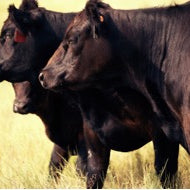
Handling livestock, to provide routine care or treatment of sickness, is a common and often unavoidable part of livestock production. However, there are instances where handling can be decreased to avoid performance effects on livestock. Why low stress and non-handling...
Parasite management should be a key component of any cattle health program. Internal parasites affect feed intake and nutrient absorption. This results in lower average daily gain, poorer immune response to vaccines and diseases, lower reproductive performance and decreased milk...
Raising backyard chickens can be a rewarding experience, from collecting fresh eggs to watching your flock grow and thrive. But caring for your chickens requires more than just giving them feed, water, and a space to roam and roost. A...
Backyard chickens bring more than fresh eggs to our homes—they enrich our lives! Just like with any other animal, caring for chickens means understanding their needs and protecting them against any dangers that can impact their health, especially hidden ones....
The growth of backyard chickens is earning them the title of America’s favorite unconventional pets. They provide fresh eggs and offer an engaging hobby for families. But keeping your backyard flock happy and healthy requires more than just food and shelter—it’s about preventing unseen threats.
Keep lice at bay in your cattle herd with these tips for implementing a strategic lice control program. At a glance Lice are an ongoing problem in beef cattle, especially in winter and cold climates, robbing cattle of performance. Choosing...
At a glance Pasture cattle in nearly all parts of the country are plagued with both face flies and horn flies. Fly control for cattle works best when approached from more than one targeted control point (TCP). When it comes...
Although there is never a wrong time to put out a bird feeder, the most helpful time is at the beginning of fall right after the season has changed. During spring and summer, there are a plethora of natural food sources for birds from insects to plants, but as the seasons change, so do their diets and their sources become scarce. Birds have a high protein diet in the warmer months which they obtain through insects, lizards, small animals, and nectar. As winter approaches they move to a seed and fruit-based diet to pack on calories so they can sustain themselves through winter. Keeping your feeders out through the cooler months can help your local birds and many migratory birds stay full and healthy as the temperatures drop. There are even special winter mixes in bird seed that you can buy that contain all the different nutrients and fats they will need.
When it comes to feeding your cat the best quality food at the best quality price, check out Southern States. For your pet, as well as feral cats, for kittens through senior cats.
As a parent or supporter of a rider, you only want what's best for your child. After a great deal of practice and preparation, your rider is ready to show his or her skills in the competition arena. And there are things you can do to help. By following a few etiquette suggestions, you can make sure
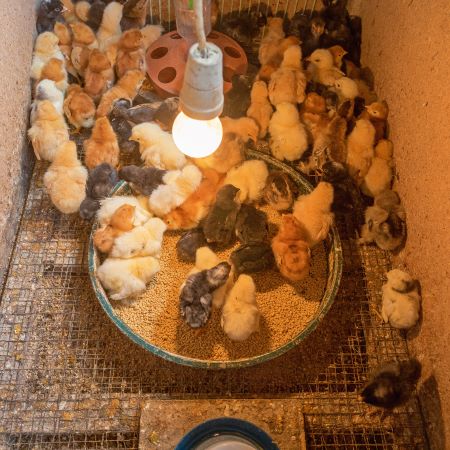
Whether you are raising chickens for eggs, meat, or as a hobby, you want to ensure that your brood stays healthy. The experts at Southern States know that keeping your chicks warm, watered and fed is the key to raising happy, healthy chicks. Just follow these tips and you will be off to a great start!
Because it is essential that new chicks stay warm without overheating, it’s a good idea to prepare their brooder at least 24 hours before their arrival. Selecting the right heat lamp and setting the ideal temperature will ensure a healthy climate for your chicks.